
Cenote Diving in Mexico from Playa del Carmen
Explore the crystal-clear waters and extraordinary underwater landscapes of the Riviera Maya’s cenotes with Halocline Explorers. Dive in small groups of no more than four, guided by a professional specialising in cavern and cave diving.
We select each cenote to suit your certification, recent experience and buoyancy skills, from Open Water to advanced diving.
Two dives • Transportation included • Cenote entrance fees included • Maximum 4 divers
Our Cenote Diving Packages
All our full-day cenote packages include two dives, transportation from Playa del Carmen, cenote entrance fees, tanks, weights, snacks and guidance from a qualified professional.
The final itinerary is confirmed according to your certification, recent experience and current diving conditions.
Discovery Package (Ideal for Open Water Divers)
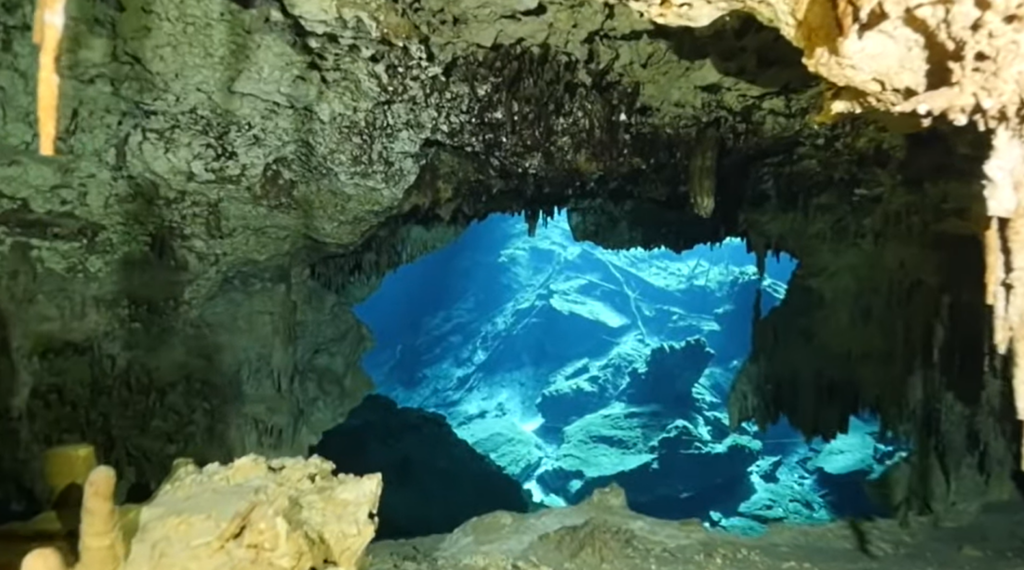
Chaac Mool & Kukulkan
3 200 MXN
Two complementary dives featuring spectacular light effects, spacious caverns and impressive haloclines.
Level: Certification and recent experience reviewed before the trip.
Discover Cenote Chaac Mool
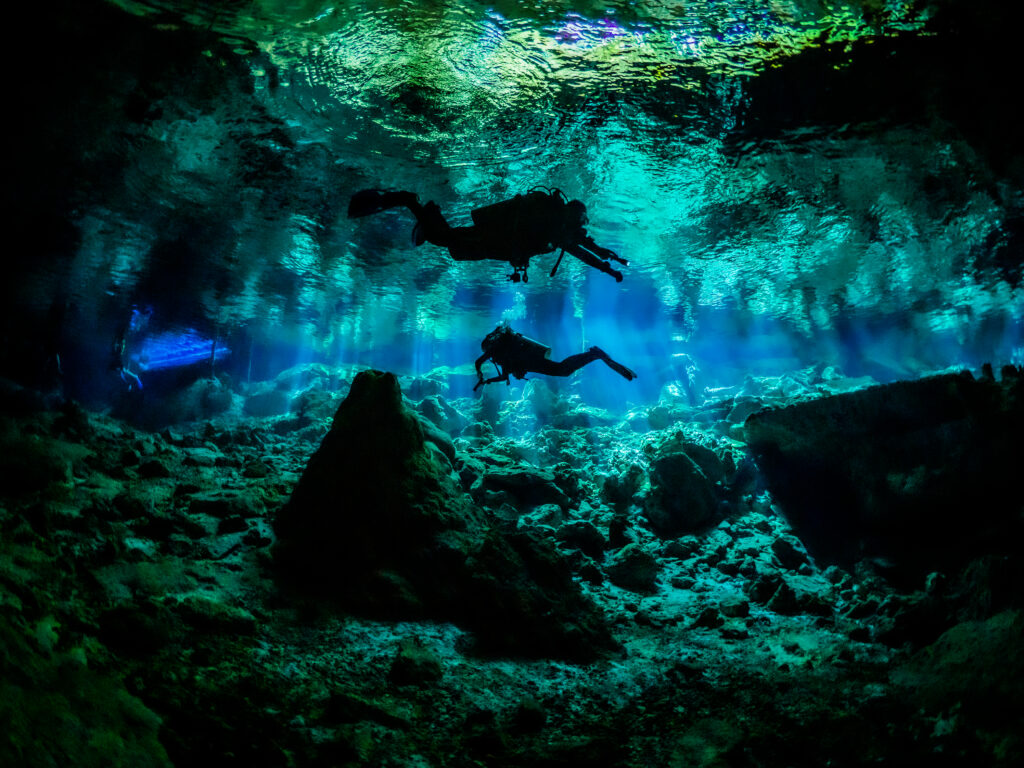
Dos Ojos
3 500 MXN
Explore the bright Barbie Line and the more atmospheric Bat Cave in one of Mexico’s most iconic cenote systems.
Level: Open Water Diver with good buoyancy control.
Discover Cenote Dos Ojos
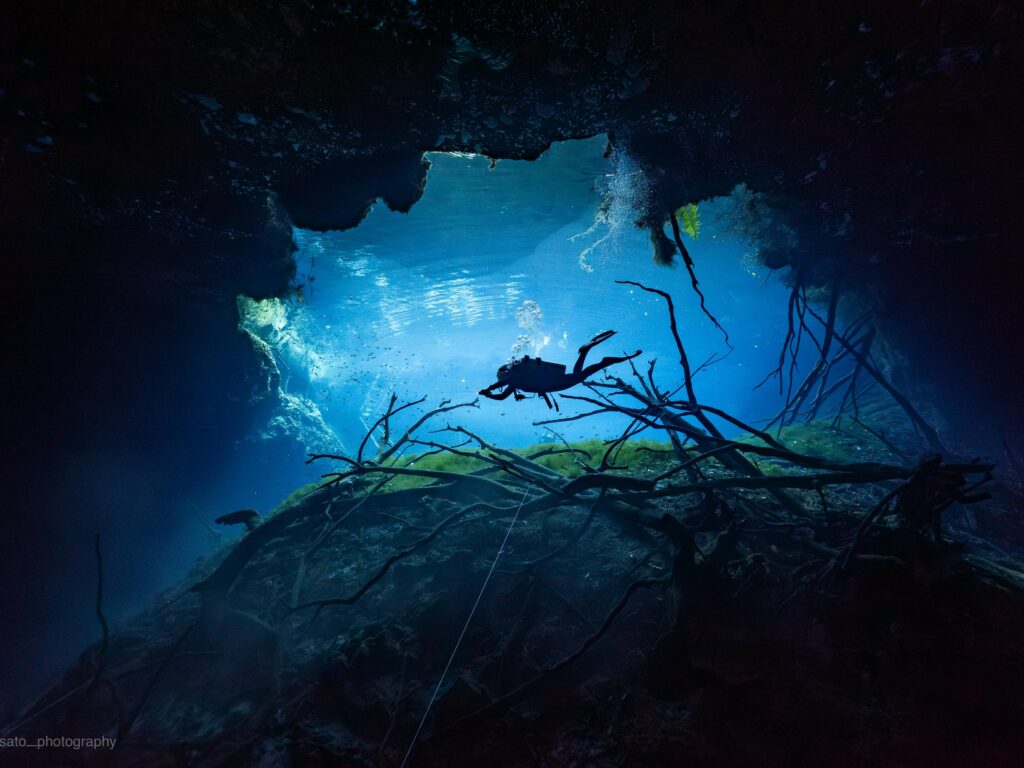
Carwash & Casa Cenote
4 500 MXN
Two contrasting environments: vegetation and natural light at Carwash, followed by mangroves, submerged roots and a halocline at Casa Cenote.
Level: Open Water Diver.
Discover Cenote Carwash
Intermediate Package (Ideal for Advanced Divers)
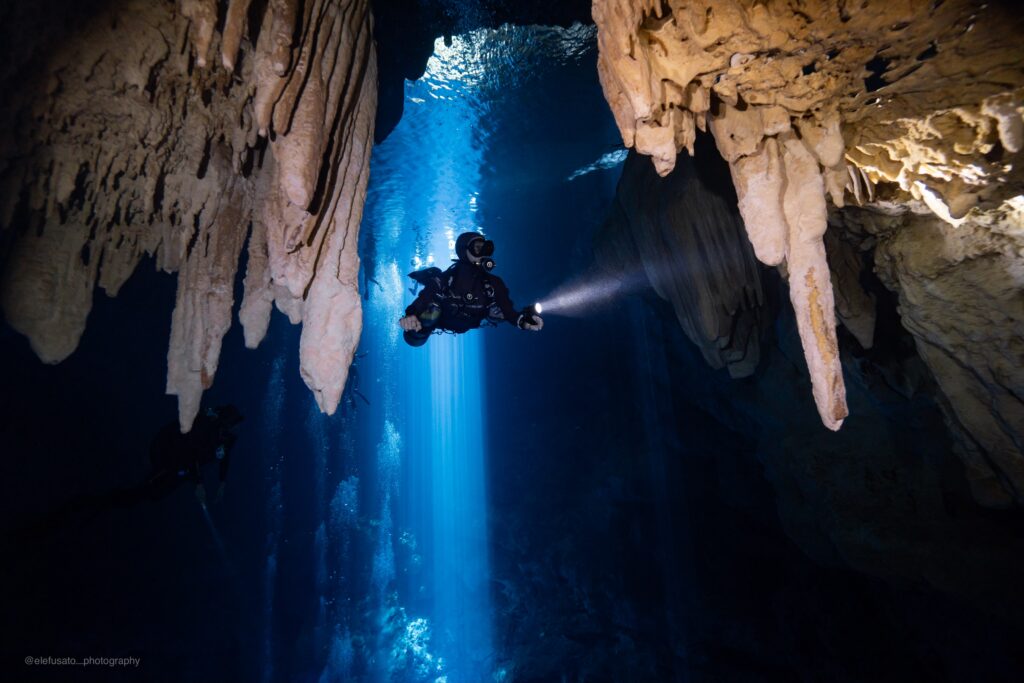
The Pit & Dos Ojos
4 000 MXN
Combine the depth and spectacular light beams of The Pit with the iconic passages and limestone formations of Dos Ojos.
Level: Advanced Open Water Diver with good comfort at 30 metres.
Discover Cenote The Pit
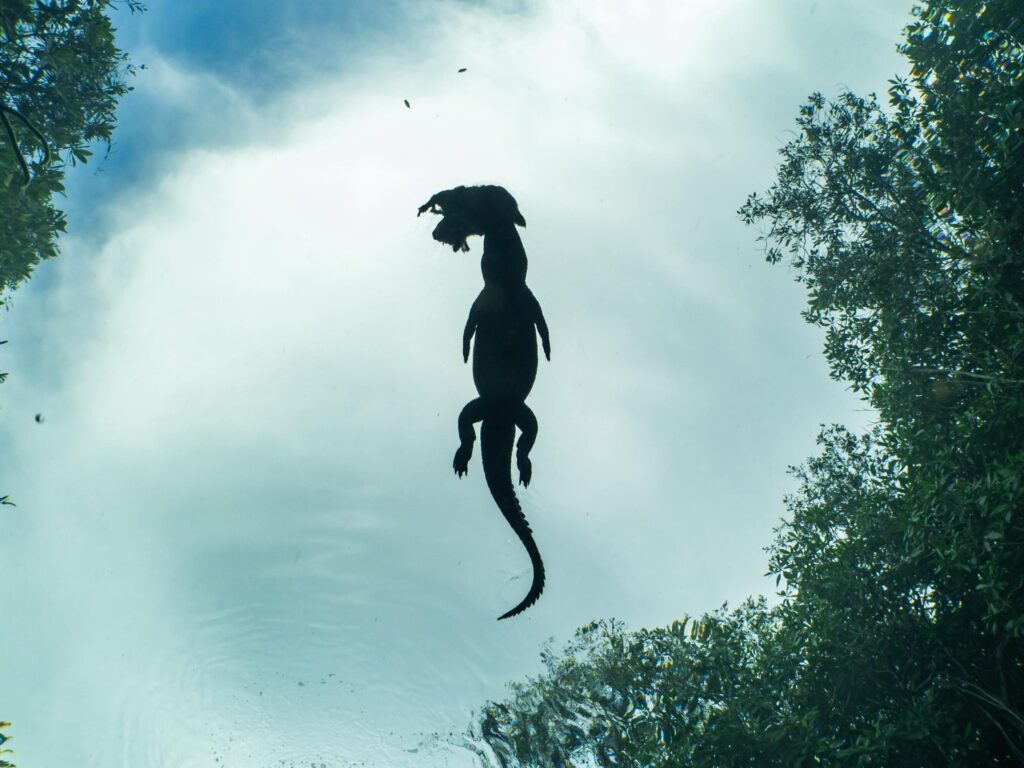
Angelita & Casa Cenote
4 500 MXN
A day of contrasts combining Angelita’s famous hydrogen sulfide cloud with the bright, open and natural environment of Casa Cenote.
Level: Advanced Open Water Diver with recent deep-diving experience.
Discover Casa Cenote
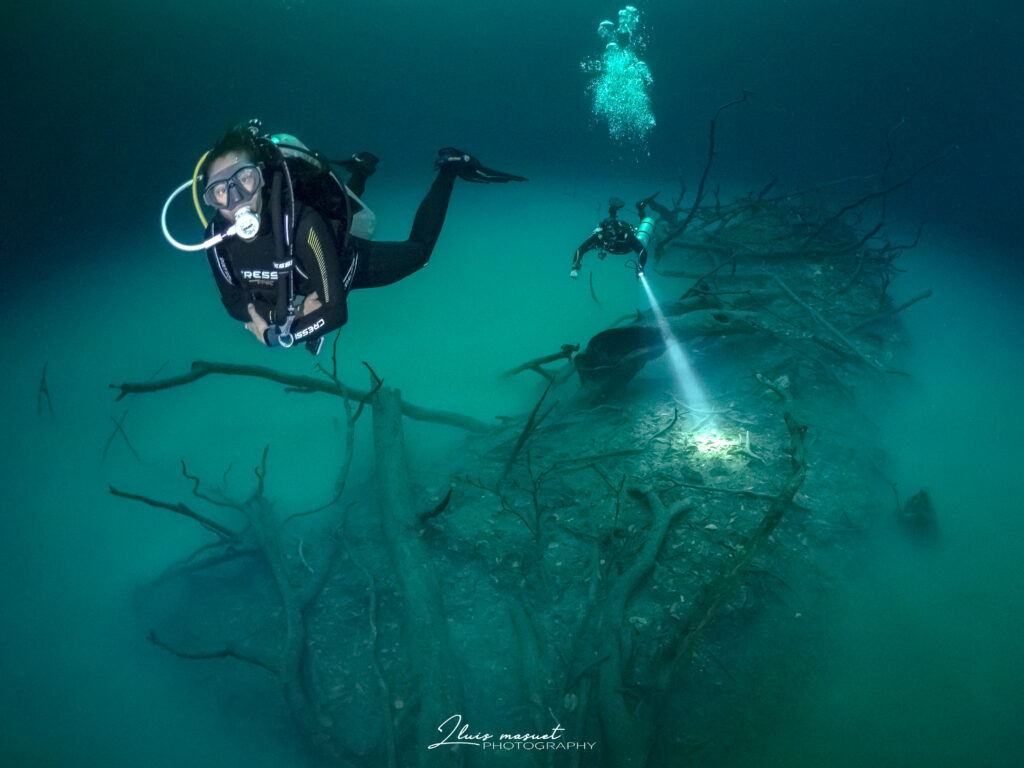
Angelita & Carwash
4 500 MXN
Experience Angelita’s mysterious submerged forest, followed by the vegetation, aquatic life and natural light of Carwash.
Level: Advanced Open Water Diver with recent deep-diving experience.
Discover Cenote Angelita
Exploration Package (For Divers Comfortable in Cavern Environments)
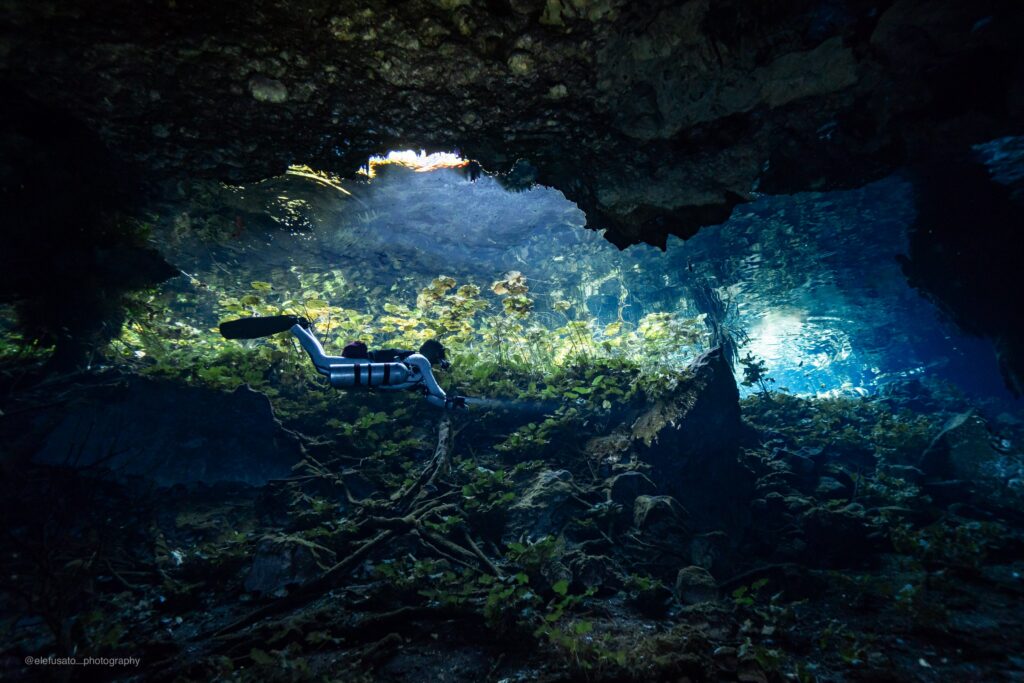
Nicte Ha & Taak Bi Ha
4 000 MXN
Discover the light beams and aquatic vegetation of Nicte Ha, followed by the spectacular columns and limestone formations of Taak Bi Ha.
Level: Advanced Open Water Diver with very good buoyancy control.
Discover Cenote Nicte Ha
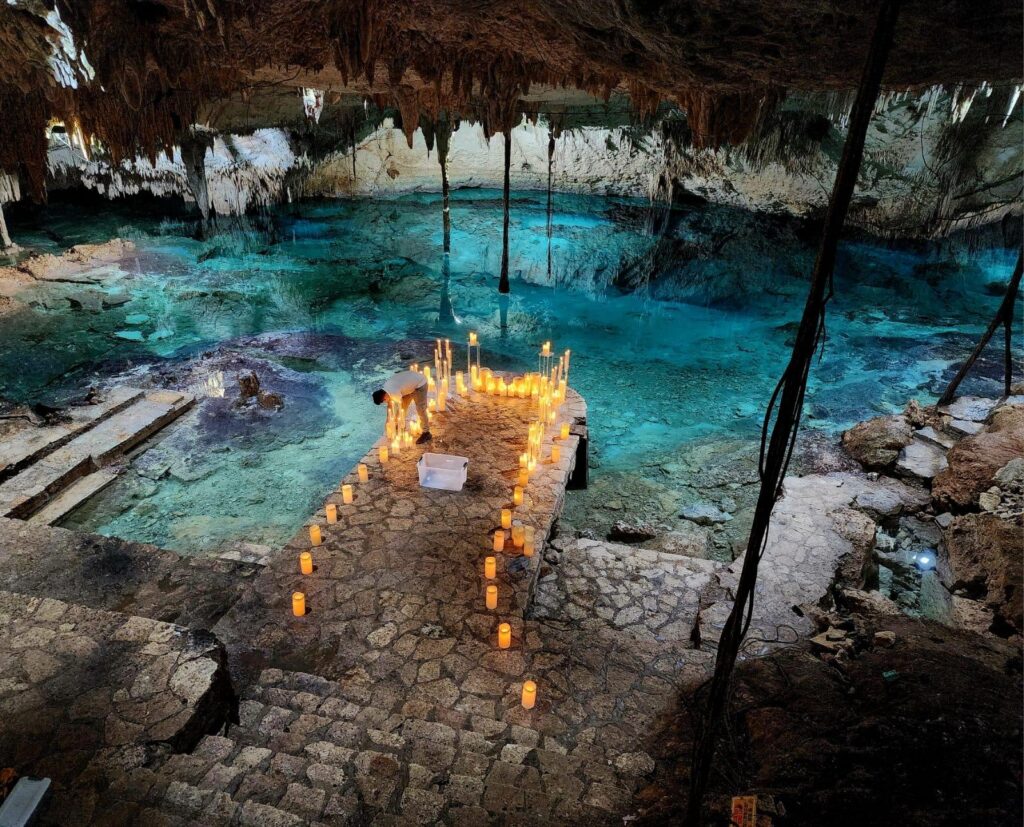
Taak Bi Luum & Taak Bi Ha
4 000 MXN
Two shallow and richly decorated cenotes for divers who are completely comfortable in a cavern environment.
Level: Advanced Open Water Diver with excellent buoyancy control.
Discover Cenote Taak Bi Ha
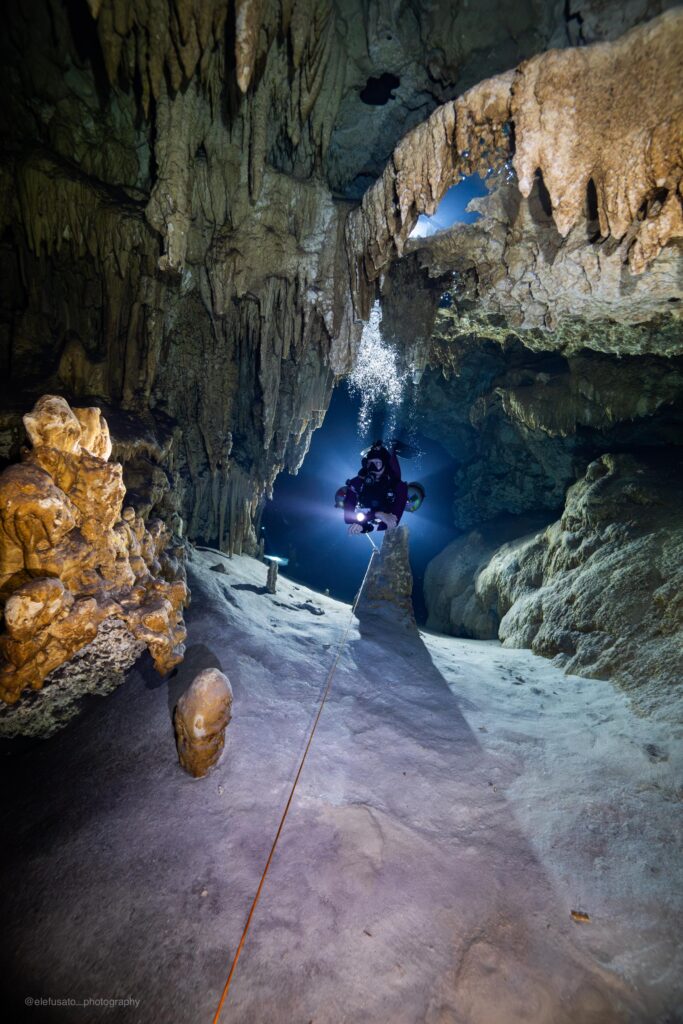
Dreamgate
3 500 MXN
Explore two routes through one of the Riviera Maya’s most richly decorated cenotes, surrounded by stalactites, stalagmites and limestone columns.
Level: Advanced Open Water Diver with excellent buoyancy control.
Discover Cenote Dreamgate
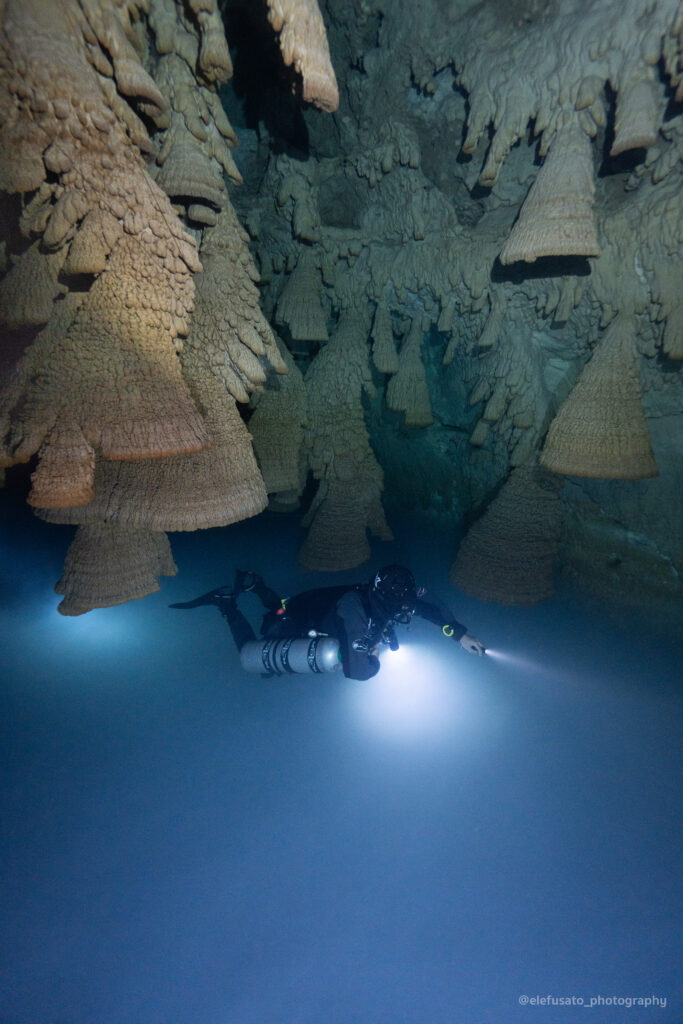
Zapote & Maravilla
4 000 MXN
Discover Zapote’s famous Hell’s Bells and the immense underwater space of Maravilla during a deep and spectacular diving day.
Level: Advanced Open Water Diver with excellent buoyancy control.
Discover Cenote Zapote
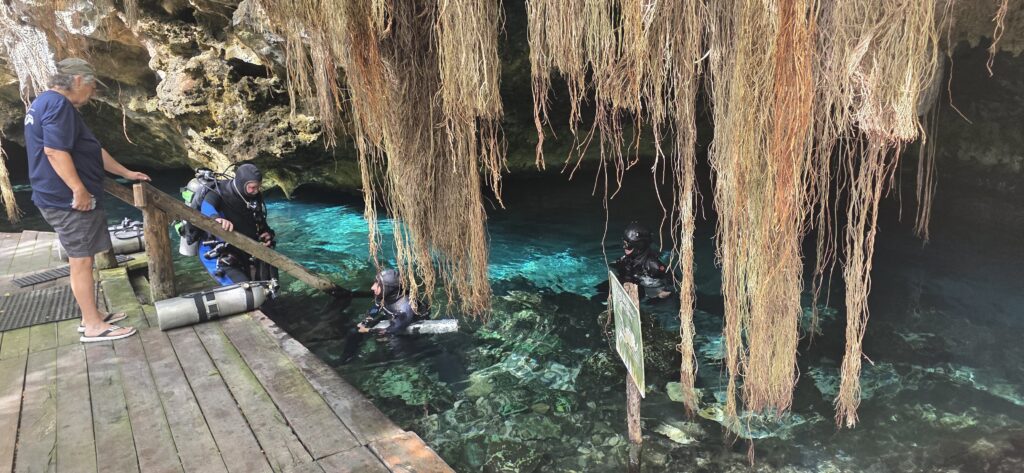
Nohoch Nah Chich & Dreamgate
4 000 MXN
Combine the large passages of Nohoch Nah Chich with Dreamgate’s spectacular formations for a full day of richly decorated cavern diving.
Level: Advanced Open Water Diver with excellent buoyancy control.
Discover Cenote Nohoch Nah Chich
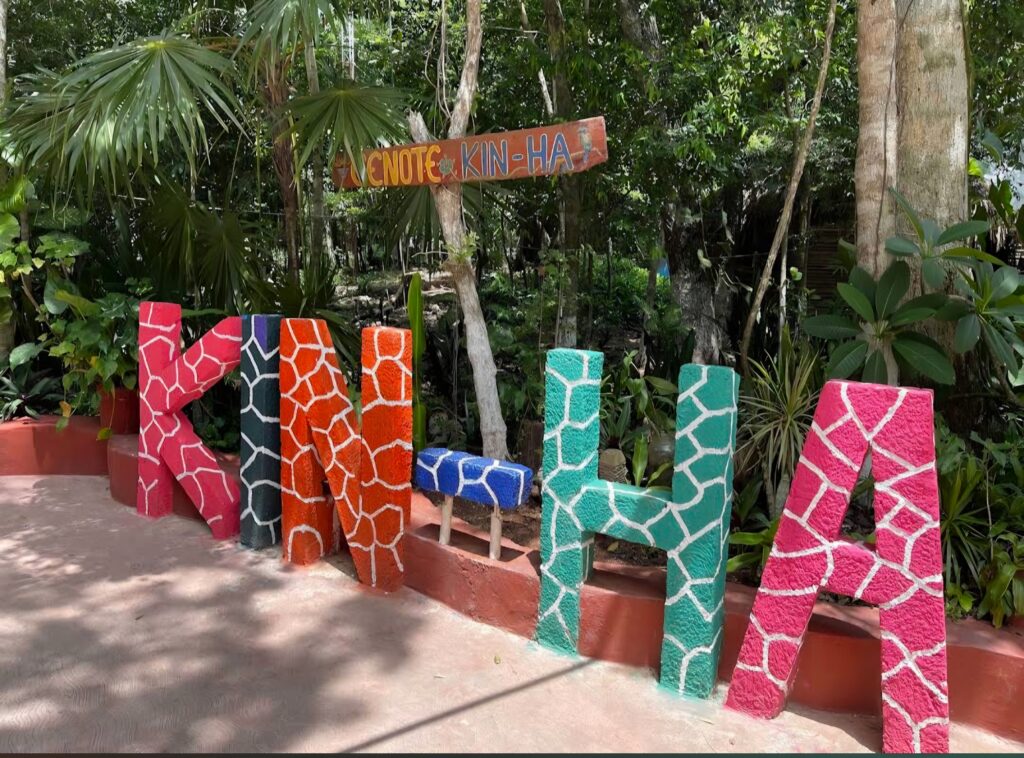
Other Cenotes Are Also Available
Chikin Ha, Eden – Ponderosa, Tajma Ha, Siete Bocas, Kin Ha, Orquídea, Yaakun and many other cenotes can be included in a personalized itinerary.
Contact us with your certification level, number of logged dives, date of your most recent dive and the natural phenomena you would most like to experience.
Why Dive in Mexico’s Cenotes?
Near Playa del Carmen, the Yucatán’s cenotes offer crystal-clear water at 24–25°C, limestone formations, spectacular light beams and haloclines. Discover the natural phenomena of cenotes.
Cavern Diving or Cave Diving?
Recreational cavern dives stay within the natural daylight zone, follow a permanent guideline and remain a limited distance from an exit under a qualified guide. Beyond the daylight zone, cave diving requires specialist training, certification and equipment.
Within this area:
Halocline Explorers also offers guided cave diving in Mexico for divers holding the appropriate certification.
To better understand these limits, discover the differences between cenote diving, cavern diving and cave diving in Mexico.
Group Rates for Cenote Diving
1–7 divers: standard public rate · 8–11: 7% off · 12–19: 7% off + 1 free place · 20+: 10% off + 2 free places. Free places are included in the total group size (for example, 12 people = 11 paying + 1 free). Discounts apply to the public rate for the selected cenote day, generally 3,200–4,500 MXN per diver/day.
This offer applies only to recreational cenote diving. Maximum 4 divers per guide; larger groups can be split according to certification and experience. Free places are for the tour leader, group leader or diving companion. The final program depends on cenotes, diver levels, dates and availability. Group discounts and free places cannot be combined with other promotions.
Our cenote diving days include two guided dives, round-trip transport from Playa del Carmen, cenote entrance fees, tanks, weights, and refreshments. Personal equipment rental is available separately.
Organizing a club or group? Request a personalized quote with the number of divers, dates, certification levels and preferred cenotes.
Included Services and Exclusions
- Two guided cenote dives, with tanks and weights included;
- Round-trip transportation from Playa del Carmen and cenote entrance fees;
- Snacks, fruit, water and refreshments between dives, with professional guidance in groups of no more than four divers;
Personal diving equipment, special gases and any additional camera fees charged by individual cenotes are not included unless otherwise stated.
Which Cenote Suits Your Diving Level?
Your First Cenote Diving Experience
Dos Ojos – Bat Cave, Kukulkan, Chaac Mool, Tajma Ha and Calavera feature darker environments, haloclines and more extensive overhead sections.
Deep Cenotes
More Demanding Cenotes
Explore Our Complete Mexico Cenote Guide. Also discover our selection of the best cenotes in Playa del Carmen according to your diving experience.
What to Expect on a Cenote Diving Day
1. Pickup in Playa del Carmen
Pickup in Playa del Carmen, two guided cenote dives suited to your experience, a break with snacks and drinks, then return to your accommodation or meeting point.
2. Transportation to the Cenotes
We travel together to the selected cenotes, with journey times varying by location.
3. Experience Check and Briefing
4. Both Dives and Return to Playa del Carmen
Enjoy two guided cenote dives with a surface interval between them, followed by your return to Playa del Carmen.
Return to Playa del Carmen after the second dive.
For a complete overview, read our guide to what a cenote diving day from Playa del Carmen is really like.
Frequently Asked Questions About Cenote Diving
What Certification Do I Need for Cenote Diving?
An Open Water Diver certification provides access to several cenotes suited to a first experience. Deep or more demanding sites require an Advanced Open Water Diver certification, good buoyancy control and sufficient recent diving experience.
Do I Need to Be a Certified Cave Diver?
No. Recreational divers remain within the cavern zone, where natural daylight is still visible. Entering the cave zone beyond natural daylight requires specific cave diving certification.
How Much Does a Cenote Diving Day Cost?
A day including two cenote dives costs between 3,200 and 4,500 MXN per diver, depending on the selected sites and itinerary requirements.
What Is Included in the Price?
The price includes two dives, tanks, weights, transportation from Playa del Carmen, cenote entrance fees, snacks, water and guidance from a qualified professional.
What Is the Water Temperature in the Cenotes?
The water temperature generally remains around 24–25°C (75–77°F) throughout the year. An appropriate wetsuit is recommended for comfort during both dives.
Can I Take Underwater Photographs in the Cenotes?
Yes, subject to the rules of each site. Some cenotes charge an additional camera fee. Excellent buoyancy control is essential to take photographs without damaging the fragile formations.
How Do I Choose the Best Cenotes for My Diving Day?
The choice depends on your certification, recent experience, buoyancy control and what you would like to see: light beams, haloclines, limestone formations, hydrogen sulfide clouds or deep underwater landscapes. Halocline Explorers will recommend the most suitable combination.




Rejoignez Halocline Explorers
Notre équipe vous accompagne pour vivre une expérience sûre, personnalisée et inoubliable.
Cénotes • Cozumel • Playa del Carmen • Plongée technique • Formations IANTD
Petits groupes. Sécurité maximale. Encadrement professionnel.
Join Halocline Explorers
Our experienced team provides safe, personalized, and unforgettable diving experiences.
Cenotes • Cozumel • Playa del Carmen • Technical Diving • IANTD Training
Small groups. Maximum safety. Professional instruction.
Únete a Halocline Explorers
Nuestro equipo te acompaña para vivir una experiencia segura, personalizada e inolvidable.
Cenotes • Cozumel • Playa del Carmen • Buceo técnico • Formación IANTD
Grupos reducidos. Máxima seguridad. Atención profesional.