
Calavera Cenote (Temple of Doom) – Complete Cenote Diving Guide in Tulum
Cenote diving at Calavera, also known as Temple of Doom, near Tulum
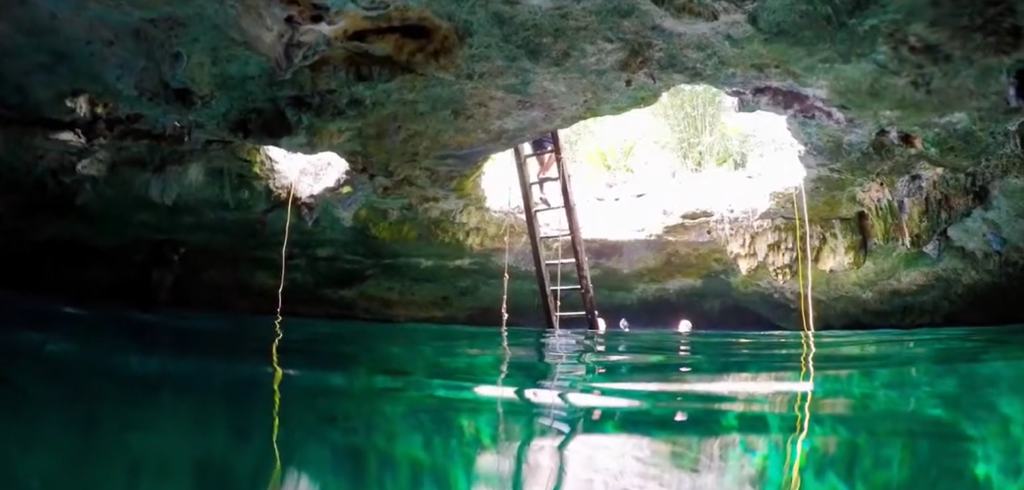
Natural openings and sunlight beams inside Calavera Cenote in Mexico
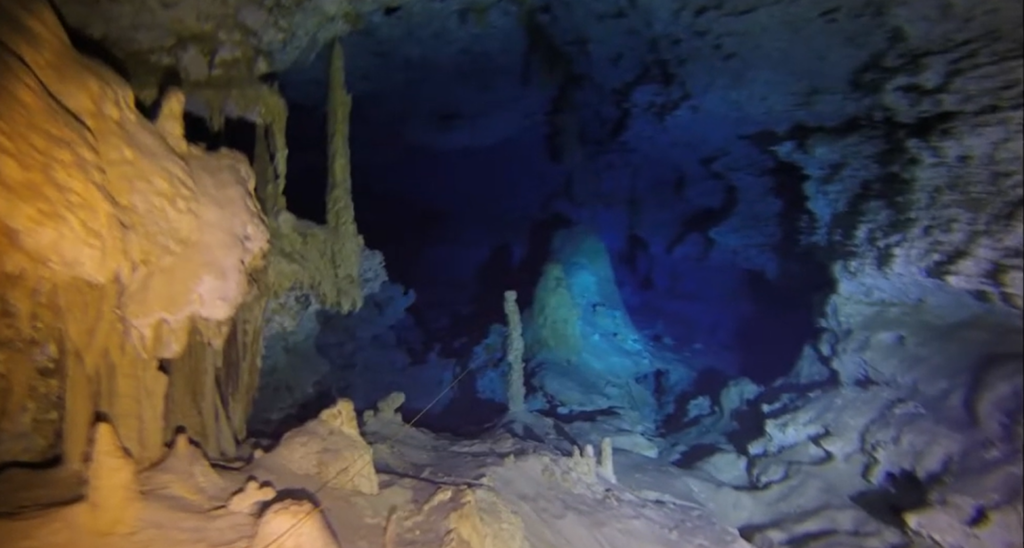
Diver exploring the vast chamber of Calavera Cenote in the Riviera Maya
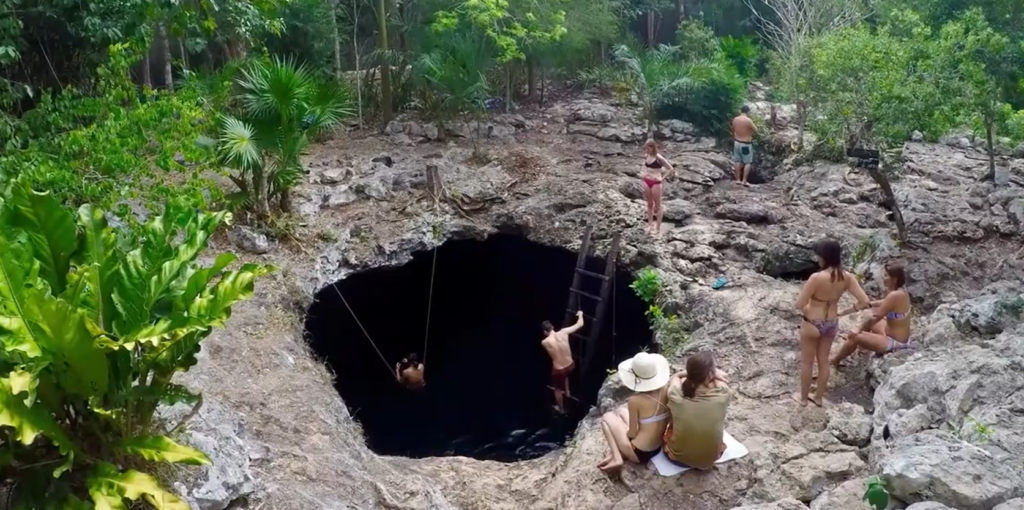
Calavera Cenote, also known as Temple of Doom, is one of the most recognisable cenotes in the Tulum area. Its semi-open entrance consists of one large circular opening and two smaller openings which, when viewed from inside the chamber, resemble the shape of a skull.
Located on the road connecting Tulum and Cobá, this cenote offers a very different dive from the richly decorated routes at Dos Ojos, Dreamgate or Taak Bi Ha. Calavera is primarily distinguished by its vast circular chamber, central collapse cone, sunlight effects and clearly defined halocline.
Calavera is now dived much less frequently than the most popular cenotes in the Riviera Maya. Access must always be confirmed with the operator and site owner before organising a trip.
Essential Information
Location
Cobá Road, a few kilometres from Tulum – Riviera Maya, Mexico
Travel time from Playa del Carmen
Approximately 55 minutes to one hour, depending on traffic
Depth
Up to approximately 15–16 metres on the cavern route
Water temperature
Approximately 25°C in the freshwater, with slightly warmer water below the halocline
Visibility
Generally excellent within stable water layers, but temporarily reduced when crossing the halocline
Minimum recommended certification
Advanced Open Water Diver with excellent buoyancy control and genuine comfort in an overhead environment
Type of diving
Cenote diving along a cavern route within the natural daylight zone
Average dive duration
Approximately 40–50 minutes, depending on air consumption and site conditions
Availability of This Dive
Diving at Calavera Cenote is not systematically offered by Halocline Explorers.
Before confirming any booking, we check access conditions, the current state of the site and whether the dive is appropriate for the participants’ experience. When Calavera is unavailable or conditions are unsatisfactory, we recommend another cenote offering a comparable experience in better conditions.
Discover Calavera Cenote
The Spanish word “calavera” means “skull”. The name comes from the distinctive shape of its collapsed ceiling: one large opening and two smaller openings allow daylight to enter and can resemble the eyes and mouth of a skull when viewed from the water.
Access is through the main opening of the chamber. Beneath the surface, divers discover a vast, almost circular room arranged around a large cone of rocks and sediment created by the gradual collapse of the ceiling.
The cavern route follows a permanent guideline around this central accumulation. Unlike cenotes characterised by long, narrow passages, Calavera is primarily explored around one large central chamber.
Light entering through the different openings creates strong contrasts between the surface, dark walls and deeper layers of water. This configuration gives the site its distinctive atmosphere and explains its Temple of Doom nickname.
Why Dive at Calavera Cenote?
Calavera offers an experience very different from other cenote dives in the Riviera Maya.
Its main appeal lies in the shape of the chamber. The large circular room, central collapse cone and three natural openings provide a direct view of how the progressive collapse of a limestone ceiling can create a semi-open cenote.
The dive also crosses a halocline generally located at a depth of around 10 metres. Here, freshwater in the upper layers meets saltier water below. Their mixing produces a temporary visual distortion that makes the walls and other divers appear to ripple.
Sunlight beams entering through the ceiling openings complete this unusual atmosphere. Their intensity depends on the position of the sun, cloud cover and water clarity on the day of the dive.
Calavera is primarily suited to experienced divers looking for a less conventional cenote, defined more by its scale, contours and hydrological phenomena than by an abundance of limestone formations.
Your Dive Experience
The trip begins with an assessment of access conditions and the overall state of the cenote. The guide then explains the chamber’s layout, planned route, maximum depth, communication procedures and the particular characteristics of the halocline.
Entry is through the main opening using the means of access available at the site. Jumping is not necessary, and both entry and exit must be adapted to current conditions and each diver’s comfort.
After the buoyancy and equipment checks, the group joins the permanent guideline near the top of the collapse cone. The route then continues around this central formation within the large cavern zone.
As the group gradually descends, divers reach the halocline at around 10 metres. When their movement mixes the freshwater and saltwater, visibility can temporarily become blurred. It generally clears again once the divers are fully established within a uniform layer of water.
The route can reach approximately 15–16 metres at its deepest point. At this depth, the saltwater is often slightly warmer than the freshwater above.
During the return, the ceiling openings gradually become more visible. Viewed from inside the chamber, they create the characteristic silhouette that gave the cenote its name.
The dive generally lasts between 40 and 50 minutes, depending on air consumption, participant experience and conditions on the day.
What Makes Calavera Cenote Unique?
Calavera is one of the few cavern routes in the area organised around a large, almost circular chamber and a central collapse cone.
Its three natural openings are its visual signature. They allow daylight to enter from different angles and, from certain points inside the chamber, form a silhouette resembling a skull.
The site also reveals a clear transition between freshwater and saltwater. Crossing this halocline momentarily changes visibility, perceived temperature and the diver’s buoyancy.
Unlike cenotes primarily sought for their stalactites and stalagmites, Calavera is distinguished by its natural architecture, darker atmosphere and relief created by the collapsed ceiling.
This combination of natural openings, spacious volume, halocline and depth makes it a distinctive but more demanding dive than the Riviera Maya’s most accessible cavern routes.
Tips from Your Guide
Calavera should not be selected solely for its nickname or dramatic appearance in photographs. Its depth, halocline and overhead atmosphere require stable buoyancy and genuine comfort in a cavern environment.
When crossing the halocline, maintain a horizontal position, remain close to your buddy and calmly follow the guide. Rapid movements mix the water layers further and can prolong the temporary reduction in visibility.
The central cone consists of rocks and sediment. Maintain sufficient distance from the bottom to avoid disturbing particles and reducing visibility for the group.
The presence of natural daylight does not remove the constraints associated with an overhead environment. The dive must remain on the authorised cavern route and be supervised by a qualified professional cavern guide.
Finally, access to Calavera and the overall quality of conditions must be checked before every trip. Whenever we consider that the site cannot provide a satisfactory experience, we always prioritise another cenote.
Frequently Asked Questions
Is Calavera Cenote also known as Temple of Doom?
Yes. Calavera is its Spanish name, while Temple of Doom is the nickname commonly used within the diving community.
Why is this cenote called Calavera?
From inside the chamber, the large main opening and two smaller openings can resemble the shape of a skull. The Spanish word “calavera” means “skull”.
What is the maximum depth of the cavern route?
The route can reach approximately 15–16 metres at its deepest point.
Is Calavera Cenote accessible to Open Water Divers?
Due to its depth, halocline and overhead atmosphere, Halocline Explorers recommends Advanced Open Water certification, excellent buoyancy control and genuine comfort in a cavern environment.
Can you observe a halocline at Calavera?
Yes. The halocline is generally located at around 10 metres. Its position and intensity can vary with hydrological conditions.
Why does visibility become blurred inside the halocline?
Freshwater and saltwater have different densities and refractive indices. When they mix, they create a blurred, shimmering visual effect. Visibility becomes clear again within a uniform layer of water.
Does Calavera have many limestone formations?
The site has limestone walls and formations, but its main appeal lies more in the shape of its chamber, collapse cone, natural openings and halocline than in an abundance of stalactites or stalagmites.
Does the recreational route enter a cave?
No. The recreational dive remains within the cavern zone and follows the designated route. Passages beyond the natural daylight zone are reserved for divers with specific cave diving certification.
Is the water at Calavera Cenote contaminated?
We do not present unconfirmed information as fact. The state of the site and access conditions must be checked before every trip. Halocline Explorers only offers this dive when observed conditions and the information available allow it to be organised responsibly.
Can I currently book a dive at Calavera?
Availability is not guaranteed. It depends on site access, current conditions and the divers’ experience. When Calavera is not offered, we recommend another cenote suited to the group’s profile and expectations.
Why Choose Halocline Explorers?
At Halocline Explorers, we do not select a cenote simply because it is famous or especially photogenic. Every trip is organised according to the divers’ actual experience, conditions on the day and the quality of the experience the site can provide.
Before considering a Calavera dive, we confirm its availability and assess whether the route is appropriate for the participants’ skills and comfort.
Our dives are organised in small groups to preserve clear communication, maintain an appropriate pace and provide every diver with the attention required in an overhead environment.
If Calavera is inaccessible or conditions are unsatisfactory, we guide you towards another cenote offering a safer and more enjoyable experience. Our priority is the quality of the dive, not simply crossing a name off a list.
What Our Divers Say
For several years, Halocline Explorers has guided divers from around the world through some of the most beautiful cenotes in the Riviera Maya.
Their feedback reflects our commitment to personalised experiences, small groups and professional guidance on every dive.




Discover Calavera Cenote with Halocline Explorers
With its three distinctive openings, large circular chamber, collapse cone and halocline, Calavera Cenote occupies a unique place in the history of cenote diving around Tulum.
However, it is dived less regularly than the Riviera Maya’s main cenotes. Every trip must therefore be confirmed according to site access, current conditions and participant experience.
Contact Halocline Explorers to discuss current possibilities and receive an honest recommendation. When Calavera is not the best choice, we will suggest a cenote better suited to your experience and the conditions on the day.
Rejoignez Halocline Explorers
Notre équipe vous accompagne pour vivre une expérience sûre, personnalisée et inoubliable.
Cénotes • Cozumel • Playa del Carmen • Plongée technique • Formations IANTD
Petits groupes. Sécurité maximale. Encadrement professionnel.
Join Halocline Explorers
Our experienced team provides safe, personalized, and unforgettable diving experiences.
Cenotes • Cozumel • Playa del Carmen • Technical Diving • IANTD Training
Small groups. Maximum safety. Professional instruction.
Únete a Halocline Explorers
Nuestro equipo te acompaña para vivir una experiencia segura, personalizada e inolvidable.
Cenotes • Cozumel • Playa del Carmen • Buceo técnico • Formación IANTD
Grupos reducidos. Máxima seguridad. Atención profesional.